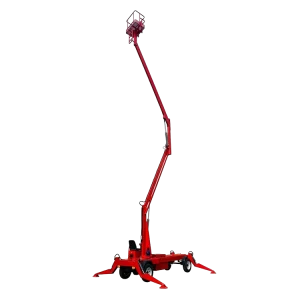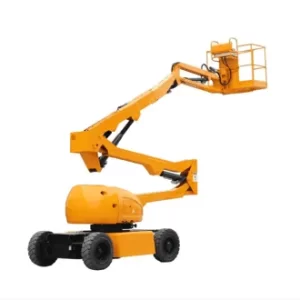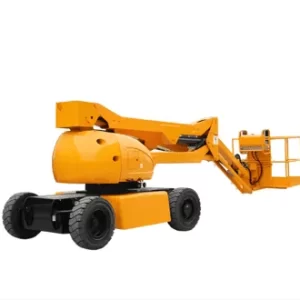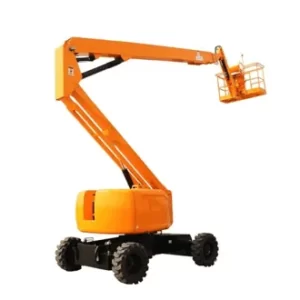
24m Electric Telescopic Boom Lifts

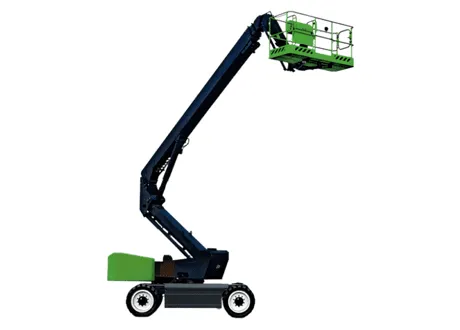
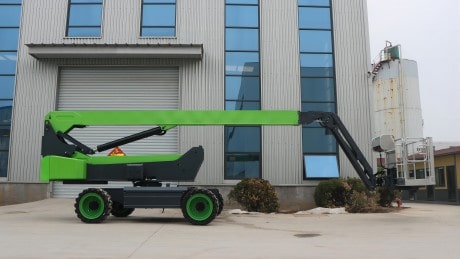
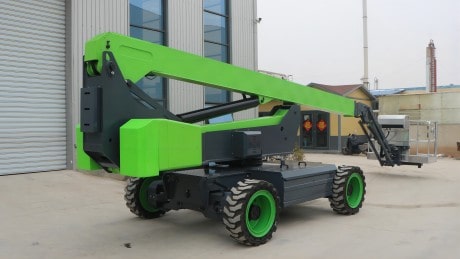
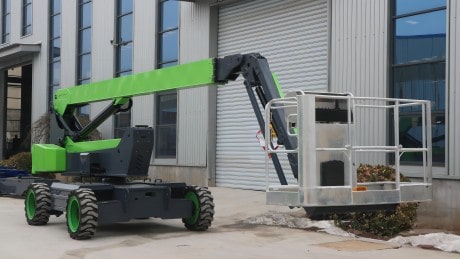
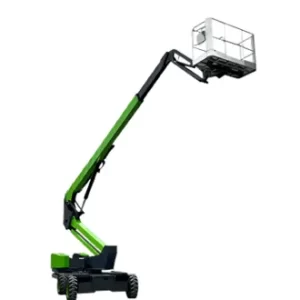
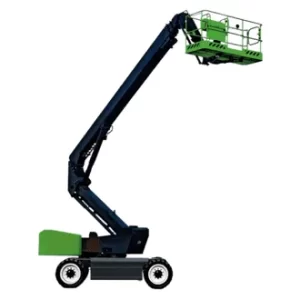
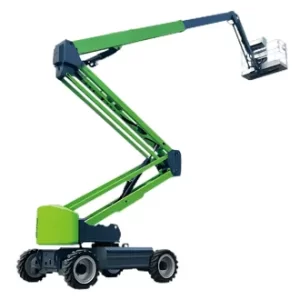
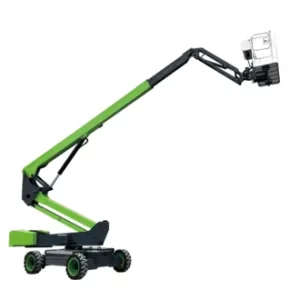
G-J24Li Electric Telescopic Boom Lifts, offering unmatched aerial productivity with a maximum working height of 26.2 meters. Perfect for high-rise construction, telecom tower maintenance, and industrial tasks, the G-J24Li features IP65 waterproofing for all-weather durability. Its electric powertrain ensures eco-friendly operation, while four-wheel drive and balanced axles provide superior traction and stability on any terrain. Enhance your productivity and safety with the versatile G-J24Li Electric Telescopic Boom Lifts.

Capacity: ≤ 1 ton
Distance: > 11 m
G-J24Li 24m Electric Telescopic Boom Lifts

Models & Specs

Specifications
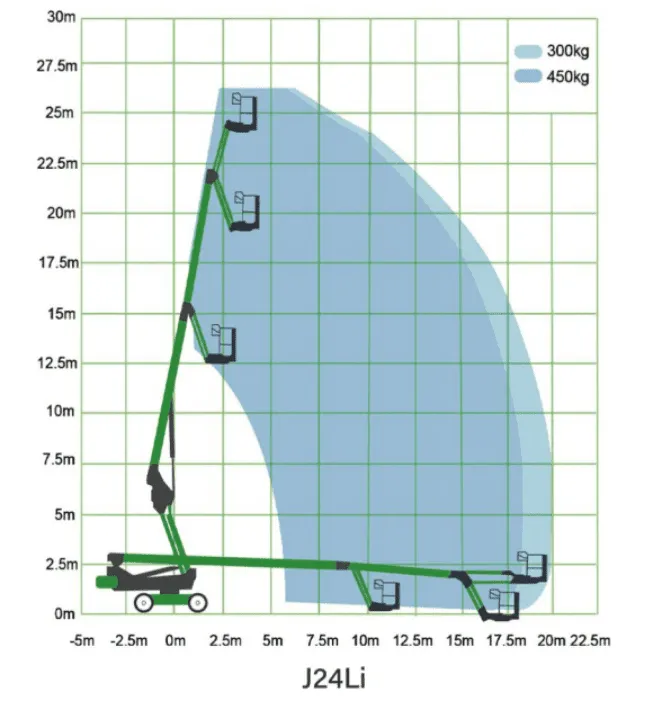
Max. Working height26.2m
Max. Platform height24.2m
Max. Working radius20m
Platform Dimensions2.4*0.9m
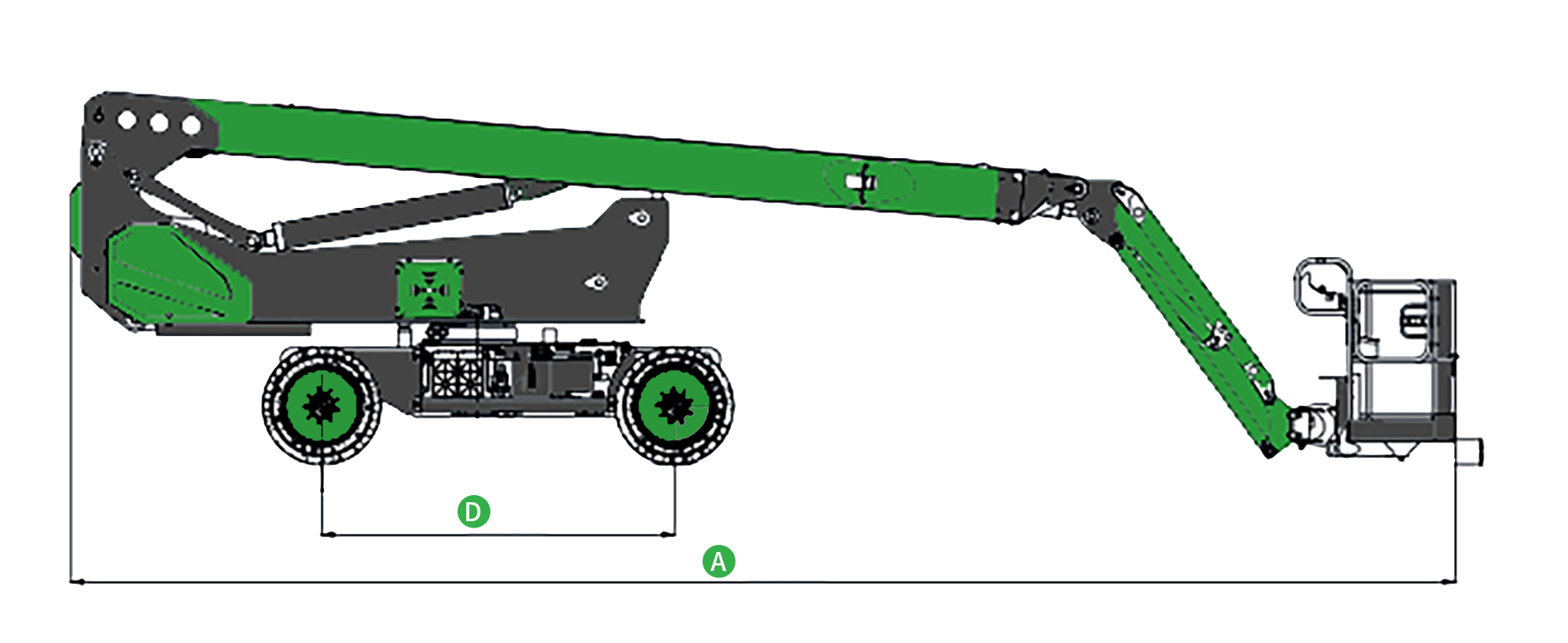
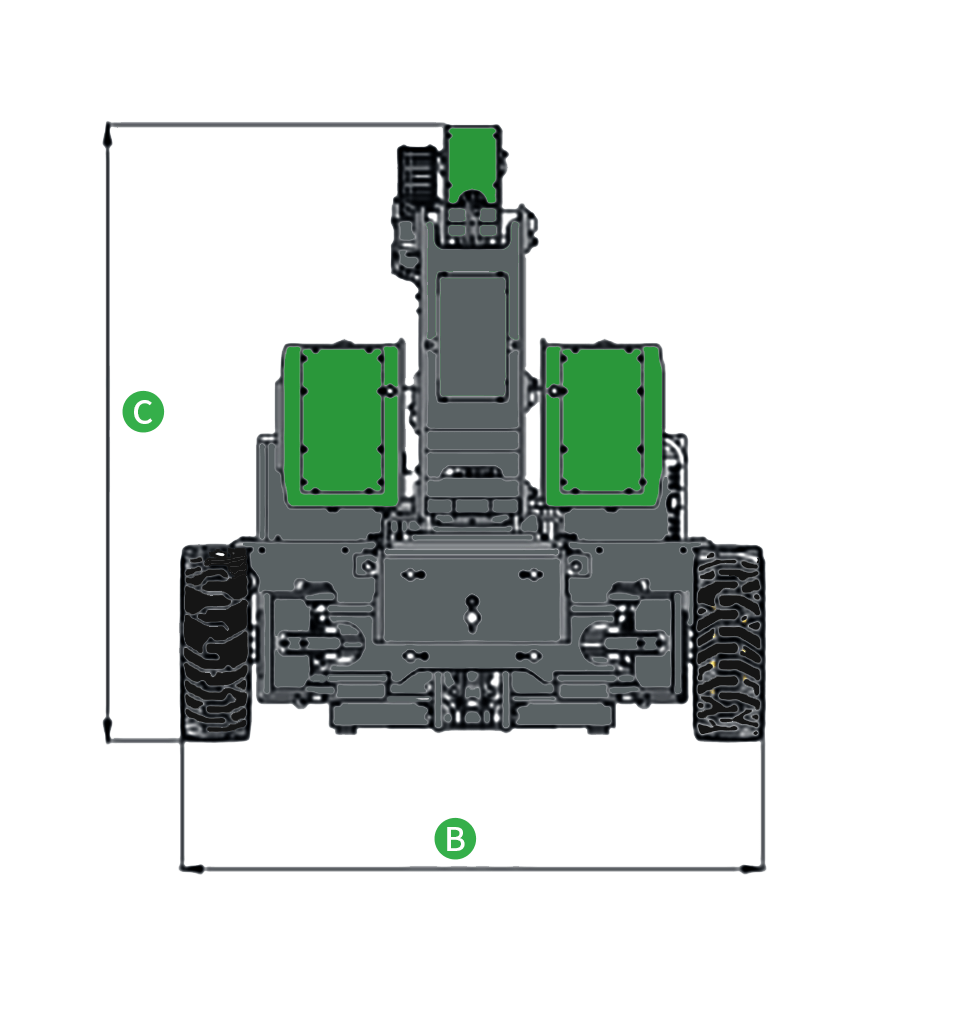
Ⓐ Length(stowed)10.9m
Ⓑ Width(stowed)2.49m
Ⓒ Height(stowed)2.92m
Ⓓ Wheelbase3.2m
Ground clearance – center0.3m
Weight15100kg
Productivity
Max. Lift capacity300kg/450kg
Number of platform occupants3
Platform rotation±80°
Turntable rotation360° Continuous
Jib rotation (up/down)±70°
Drive speed – stowed5.5km/h
Gradeability – stowed45%
Max. Working angle (Tilt sensor activation)
Turning radius (outside)6.5m
Drive and steer mode4*2
Power
Battery80V/500Ah
Control voltage12V
Pump motor30kw
Drive motor5.2kw
Lithium BatteryStandard

Features

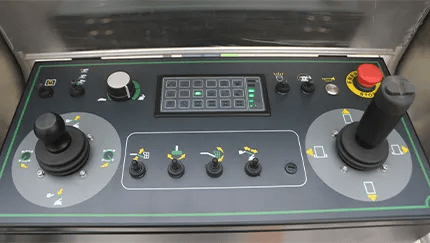
The Bosch Rexroth platform control panel is equipped with proportional joystick controls and an emergency stop button.
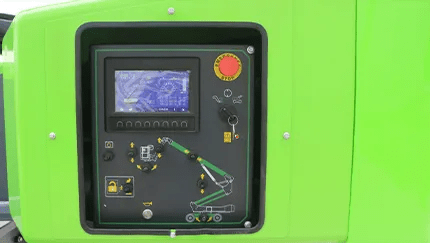
The Bosch Rexroth ground control panel features an IP65 waterproof design and an emergency stop button.
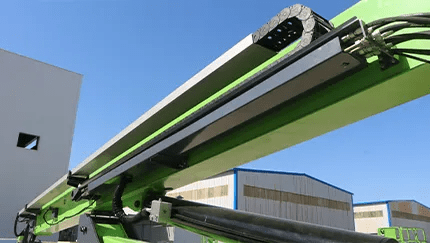
The boom utilizes self-weight lowering technology and a load-sensitive hydraulic system to ensure smooth and energy-efficient operation.
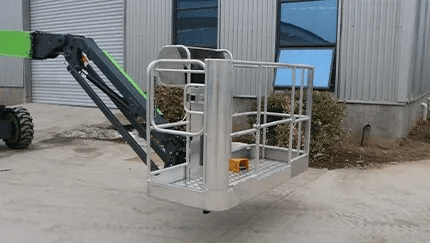
The platform can automatically level itself within a ±80° rotation range.
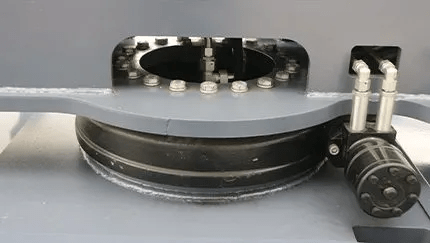
The 360° continuous rotation of the turntable allows the platform to reach worksites with enhanced flexibility.
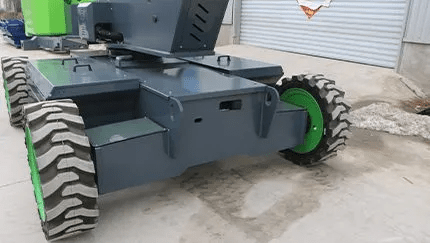
Advanced four-wheel AC drive technology combined with steering differential control significantly reduces tire wear and motor overload rates.
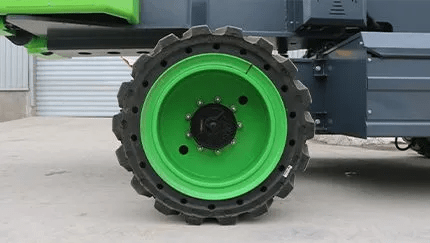
Equipped with solid tires, skid-proof and explosion-proof with longer lifetime, providing a stable and labor-saving operation.
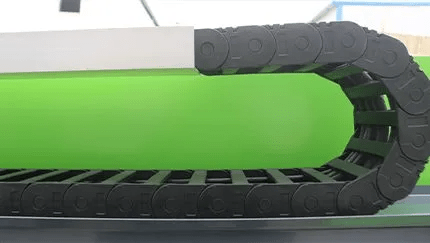
The international brand drag chain of the telescopic boom offers safety protection and guiding capabilities for the cables inside the booms.

Videos
18m Electric Telescopic Boom Lift
How to Operate Telescopic Boom Lifts Step by Step Guide

Diagram

Other Boom Lifts
FAQ

Both telehandlers and telescopic boom lifts are versatile machines used in construction and industrial applications, but they serve different primary functions and have distinct features. Here’s a comparison:

Telehandler

  • Function: Primarily designed for material handling. Telehandlers can lift, move, and place heavy loads at varying heights and distances.
  • Design: Features a boom that extends out and up, often equipped with forks, buckets, or other attachments for different tasks.
  • Maneuverability: Generally has four-wheel drive and can navigate rough terrain, making it suitable for outdoor construction sites.
  • Load Capacity: Typically has a higher load capacity, ranging from 5,000 to 12,000 pounds or more, depending on the model.
  • Versatility: Can be used for lifting, towing, and transporting materials, making it a multi-functional machine.

Telescopic Boom Lift

  • Function: Primarily designed for reaching heights and providing aerial access for personnel and equipment. It is used for tasks such as maintenance, construction, and cleaning at elevated heights.
  • Design: Features a boom that extends vertically, with a platform or bucket at the end for workers to stand in. The platform can often rotate and articulate.
  • Maneuverability: While also capable of navigating uneven terrain, it is generally less rugged than telehandlers and is often used on smoother surfaces.
  • Load Capacity: Typically has a lower load capacity than telehandlers, usually around 500 to 1,000 pounds for the platform and occupants.
  • Focus: Primarily focused on providing elevated access rather than material handling.

A telescopic boom lift is a type of aerial work platform that is designed to provide elevated access for personnel and equipment to hard-to-reach areas. Here are the key features and aspects of telescopic boom lifts:

Key Features

  • Extendable Boom: The primary feature of a telescopic boom lift is its extendable boom that can be raised and extended horizontally. This allows operators to reach high or distant work areas safely.
  • Platform: At the end of the boom, there is typically a platform or basket where workers can stand while performing tasks such as maintenance, construction, or cleaning.
  • Height and Reach: Telescopic boom lifts come in various sizes, with maximum working heights typically ranging from around 30 feet to over 100 feet, depending on the model.
  • Stability: These lifts are designed with stability in mind, often equipped with outriggers or stabilizers to ensure safe operation on uneven surfaces.
  • Control Systems: Operators usually control the lift from within the platform, allowing for precise maneuvering and positioning at height.

Applications

  • Construction: Used for tasks such as installing windows, roofing, and other high-altitude work.
  • Maintenance: Ideal for maintaining and repairing buildings, bridges, and other structures.
  • Cleaning: Commonly used for high-rise window cleaning and facade maintenance.

Advantages

  • Access to Heights: Provides safe access to elevated work areas that may be difficult to reach with ladders or scaffolding.
  • Versatility: Can be used in various environments, including construction sites, warehouses, and industrial facilities.
  • Safety Features: Equipped with safety features like guardrails and emergency lowering systems to protect operators.

An electric boom lift is a type of aerial work platform powered by electric motors, designed to provide elevated access for personnel and equipment. Here are the key features and aspects of electric boom lifts:

Key Features

  • Power Source: Electric boom lifts operate on electric batteries, making them more environmentally friendly compared to their diesel or gas counterparts. They are quieter and produce no emissions during operation.
  • Boom Design: Similar to other boom lifts, electric boom lifts have an extendable boom that can be raised and articulated to reach high or distant work areas.
  • Platform: They feature a platform or basket at the end of the boom, allowing workers to perform various tasks safely at height.
  • Height and Reach: Electric boom lifts come in various sizes, with working heights typically ranging from around 30 feet to over 60 feet, depending on the model.
  • Maneuverability: Many electric boom lifts are designed for indoor use, featuring compact designs that allow them to navigate tight spaces and doorways easily.

Applications

  • Indoor Work: Ideal for use in warehouses, factories, and indoor construction sites where emissions and noise need to be minimized.
  • Maintenance: Commonly used for maintaining lighting, HVAC systems, and other infrastructure in high places.
  • Installation: Suitable for installing fixtures, signs, and other equipment at elevated heights.

Advantages

  • Environmentally Friendly: Electric boom lifts produce zero emissions during operation, making them suitable for indoor environments and reducing environmental impact.
  • Lower Operating Costs: Typically have lower fuel and maintenance costs compared to diesel-powered lifts.
  • Quieter Operation: The electric motors operate more quietly, which is beneficial in noise-sensitive environments.

Electric Boom Lifts

  1. Power Source:
    • Powered by electric batteries.
    • Emission-free during operation, producing no exhaust fumes.
  2. Applications:
    • Ideal for indoor use, such as in warehouses, manufacturing facilities, and shopping malls.
    • Suitable for noise-sensitive environments.
  3. Performance:
    • Run Time: Limited by battery life; may require recharging after extended use.
    • Speed: Generally operates at slower lifting and maneuvering speeds compared to diesel models.
    • Stability: Often designed for a lower center of gravity, enhancing stability in lighter loads.
  4. Maintenance:
    • Generally requires less maintenance due to fewer moving parts compared to diesel engines.
  5. Cost:
    • Typically lower initial costs and operational costs due to reduced fuel needs and maintenance.

Diesel Boom Lifts

  1. Power Source:
    • Powered by diesel fuel engines, providing robust power for heavy lifting.
    • Produces emissions and exhaust fumes during operation.
  2. Applications:
    • Best suited for outdoor use, particularly on construction sites, rugged terrains, or areas requiring high mobility.
    • Capable of handling rough and uneven ground conditions.
  3. Performance:
    • Run Time: Can operate for longer periods without the need to recharge; can refuel quickly.
    • Speed: Often faster in lifting and maneuvering, making them suitable for high-demand jobs.
    • Terrain Handling: Typically has larger tires and better traction, allowing them to navigate rough surfaces more effectively.
  4. Maintenance:
    • May require more frequent maintenance due to the complexity of diesel engines and the need for fuel system upkeep.
  5. Cost:
    • Generally higher fuel and maintenance costs compared to electric models.

Both scissor lifts and telescoping boom lifts are types of aerial work platforms, but they have distinct designs and functions. Here’s a comparison of the two:

Scissor Lift

  • Design: Scissor lifts consist of a platform that moves vertically via a crisscrossing (scissor-like) mechanism. They typically have a rectangular base and extend straight up.
  • Height and Reach: Scissor lifts generally have a limited vertical reach compared to telescoping booms, with maximum heights typically ranging from 20 to 60 feet.
  • Stability: They provide a stable platform for workers and have a larger work area compared to boom lifts, making them suitable for tasks that require multiple workers or equipment.
  • Use Cases: Ideal for indoor applications, such as maintenance, installation, and warehousing tasks, where a stable platform is needed.
  • Maneuverability: Scissor lifts may have limited horizontal reach; they primarily move up and down, making them less versatile for reaching out over obstacles.

Telescoping Boom Lift

  • Design: Telescoping boom lifts have a long, extendable boom that can reach up and out, allowing for greater flexibility in accessing hard-to-reach areas.
  • Height and Reach: They can achieve greater heights, often exceeding 100 feet, and can extend horizontally, giving them the ability to reach over obstacles.
  • Stability: While they provide a stable platform, telescoping boom lifts can be less stable than scissor lifts when fully extended, especially on uneven terrain.
  • Use Cases: Suitable for outdoor applications, construction, and maintenance tasks where workers need to access areas at various heights and distances.
  • Maneuverability: They offer better maneuverability and can navigate around obstacles due to their ability to extend both vertically and horizontally.

Summary

In summary, the main difference lies in their design and functionality:

  • Scissor Lifts: Provide vertical access with a stable platform, best for tasks requiring height without horizontal reach.
  • Telescoping Boom Lifts: Offer both vertical and horizontal reach, ideal for accessing hard-to-reach areas in various applications.

Electric Boom Lift

  • Power Source: Powered by electric batteries, making them environmentally friendly with zero emissions during operation.
  • Noise Level: Operates quietly, which is advantageous for indoor use and in noise-sensitive environments.
  • Use Cases: Ideal for indoor applications, such as warehouses, factories, and maintenance tasks where emissions and noise need to be minimized.
  • Maneuverability: Generally more compact and designed for tight spaces, allowing easy navigation through doorways and narrow aisles.
  • Operating Costs: Typically have lower fuel and maintenance costs, but may require charging infrastructure.
  • Limitations: May have limited outdoor use capabilities, especially in rough terrain, and can be less powerful in extreme conditions compared to diesel lifts.

Diesel Boom Lift

  • Power Source: Powered by diesel engines, providing greater power and torque for heavy-duty applications.
  • Noise Level: Generally louder than electric lifts, which can be a consideration in urban or noise-sensitive areas.
  • Use Cases: Suitable for outdoor applications, especially on construction sites or rugged terrains where higher lifting capacities and durability are needed.
  • Maneuverability: Often larger and heavier, which may limit their ability to navigate tight spaces but allows for greater stability on uneven ground.
  • Operating Costs: Typically higher fuel and maintenance costs due to the nature of diesel engines, but they are well-suited for demanding tasks.
  • Limitations: Produces emissions, which can restrict indoor use and requires adequate ventilation.

Summary

In summary, the key differences between electric and diesel boom lifts include:

  • Electric Boom Lifts: Environmentally friendly, quieter, and ideal for indoor use with lower operating costs.
  • Diesel Boom Lifts: More powerful and suitable for outdoor use, capable of handling rough terrain but with higher noise levels and operating costs.

Choosing between the two depends on the specific requirements of the job, including location, noise considerations, and the need for power and reach.

Articulating and telescopic boom lifts are both types of aerial work platforms, but they have distinct designs and functionalities. Here’s a comparison of the two:

Articulating Boom Lift

  • Design: Features a jointed or “articulated” boom that can bend at various points, allowing for greater maneuverability around obstacles.
  • Reach: Can extend vertically and horizontally, providing access to hard-to-reach areas, especially in tight spaces or over obstacles.
  • Stability: Typically offers a stable platform, but the articulating design can sometimes limit the maximum height compared to telescopic booms.
  • Use Cases: Ideal for applications where precise positioning is required, such as maintenance, construction, and tree trimming in crowded or complex environments.
  • Maneuverability: Excellent maneuverability due to the ability to navigate around obstacles, making them suitable for urban environments and complex job sites.

Telescopic Boom Lift

  • Design: Features a straight, extendable boom that can be raised and lowered vertically, often with multiple sections that telescope out.
  • Reach: Provides significant vertical reach and can extend horizontally, but may not navigate around obstacles as effectively as articulating lifts.
  • Stability: Generally offers greater height capabilities compared to articulating booms, making them suitable for tasks that require reaching high elevations.
  • Use Cases: Best for applications requiring high reach without the need to maneuver around many obstacles, such as construction, building maintenance, and outdoor work.
  • Maneuverability: While they can reach over obstacles, they may require more space to operate effectively than articulating boom lifts.

Summary

In summary, the main differences between articulating and telescopic boom lifts include:

  • Articulating Boom Lifts: Jointed design allows for excellent maneuverability around obstacles, ideal for tight or complex workspaces.
  • Telescopic Boom Lifts: Straight extendable design provides significant vertical reach, best suited for high-access tasks without the need for navigating around obstacles.

The choice between the two depends on the specific requirements of the job, including the environment, height needed, and the presence of obstacles.

Yes, a telescopic boom lift is classified as a Mobile Elevating Work Platform (MEWP).

What is a MEWP?

A MEWP is a type of equipment designed to provide temporary access for people or equipment to elevated work areas. Here are some key characteristics of MEWPs:

  • Mobility: MEWPs are mobile and can be easily moved from one location to another, making them suitable for various job sites.
  • Elevated Work: They are specifically designed to lift personnel and equipment to heights that are otherwise difficult to reach safely.
  • Types: MEWPs come in several forms, including scissor lifts, articulating boom lifts, and telescopic boom lifts, among others.

Why Telescopic Booms are MEWPs

  • Elevating Capability: Telescopic boom lifts provide vertical and horizontal reach, allowing workers to access high and hard-to-reach areas safely.
  • Platform Design: They have a platform or basket at the end of the boom for personnel to stand while performing tasks.
  • Safety Features: Telescopic boom lifts are equipped with various safety features, such as guardrails and emergency lowering systems, ensuring safe operation.

In summary, telescopic boom lifts are indeed considered MEWPs due to their design and functionality aimed at providing safe access to elevated work areas.

G-J24Li 24m Electric Telescopic Boom Lifts

Custom Options

Customize Your Lifts

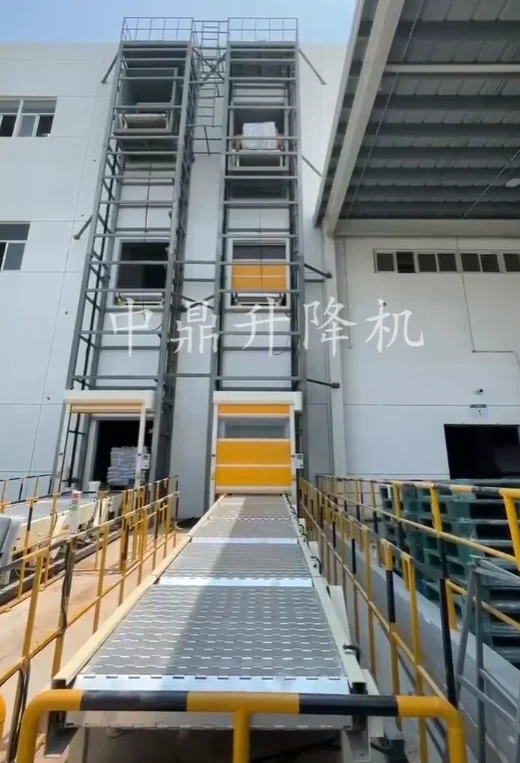
Specifically sized, configured, mobile, high-cycle, or automated – when you need a lift to perform a specific function, we have the materials, components, and design techniques to produce a one-of-a-kind lifting solution for your application.

Lift Product Videos
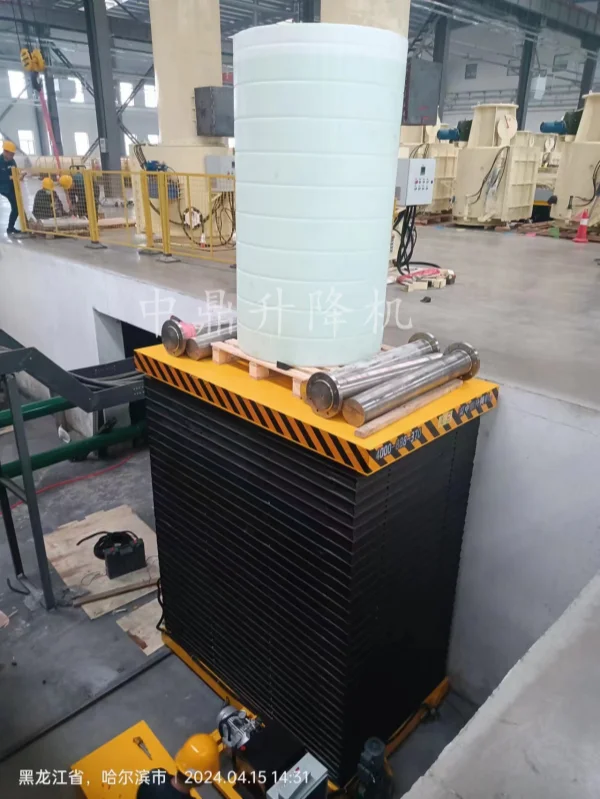
Customized Cases
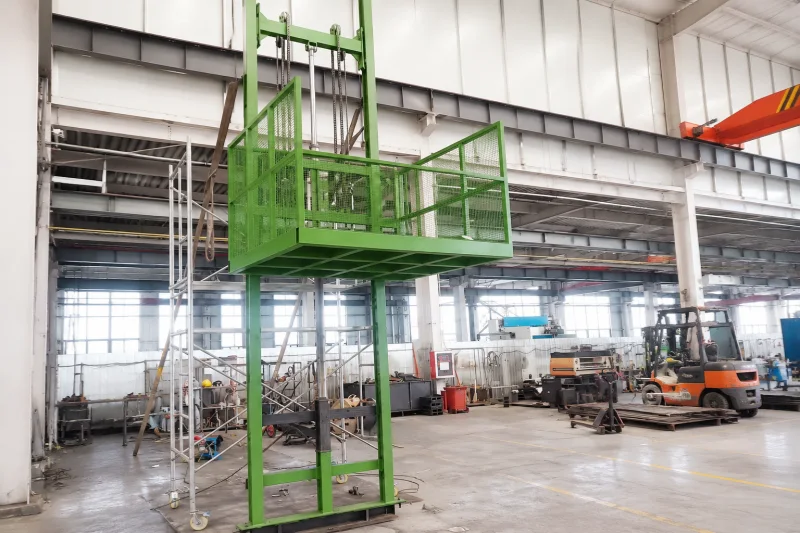
Z Shape Reciprocating Lift for Cordyceps Waste Transfer
Z‑shaped reciprocating lift for a cordyceps production facility – enables automatic waste transfer in high‑cleanliness workshops. Z‑shaped access fits tight shafts, 304 stainless steel conveyors ensure hygiene, pit‑less installation, safety light curtains + door interlock. Boosts cleanliness and waste handling efficiency.

18m Reciprocating Lift for Wet Wipes Industry
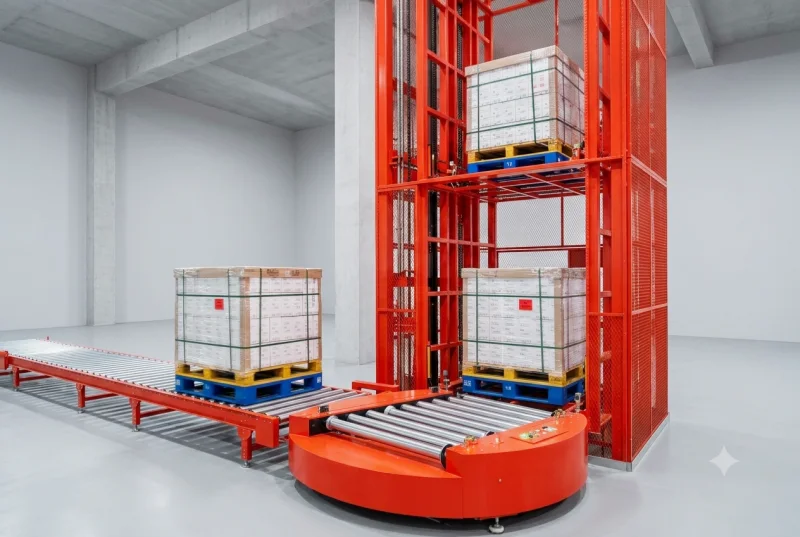
Custom 4-stop reciprocating lift – wet wipes finished product vertical conveying. 18.6m travel across 4 levels, 1000kg capacity, 50-60m/min speed, 15kW SEW drive. Same-direction access on Floors 1&2, opposite-direction on Floors 3&4 – adapts to complex production line layouts. Open-frame car design, Siemens PLC + Beckhoff communication, RAL2009 orange powder coating, 40‑day rapid delivery. Read the wet wipes cross-floor automatic conveying solution.

10 Ton Dual Synchronised Tilter for Aerospace Defence
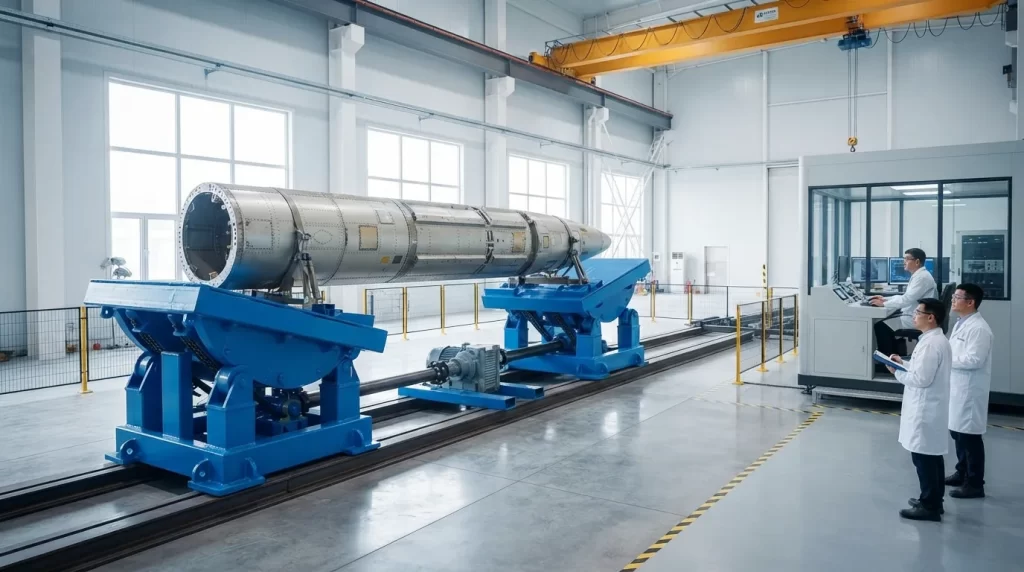
Custom 10‑ton dual synchronised tilter for aerospace defence testing. Two units spaced 7 metres apart – a single motor drives both for synchronised tilting, or switch to independent mode. 90° mechanical tilting in 50 seconds. Ideal for missile cabins and large structural components in environmental/reliability testing. 15‑day urgent delivery.

16m 5 Stop AGV Ready Lithium Dedicated Reciprocating Lift
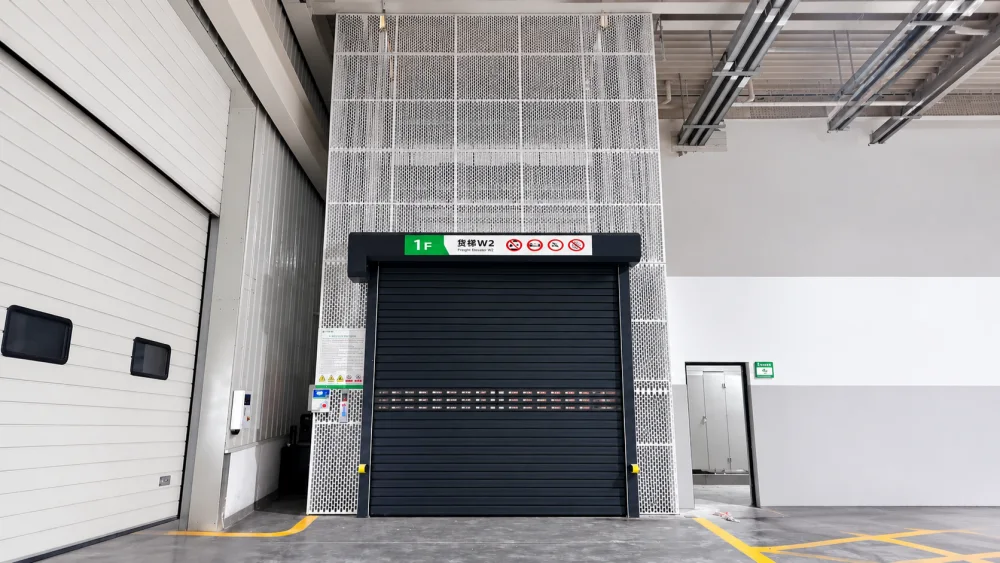
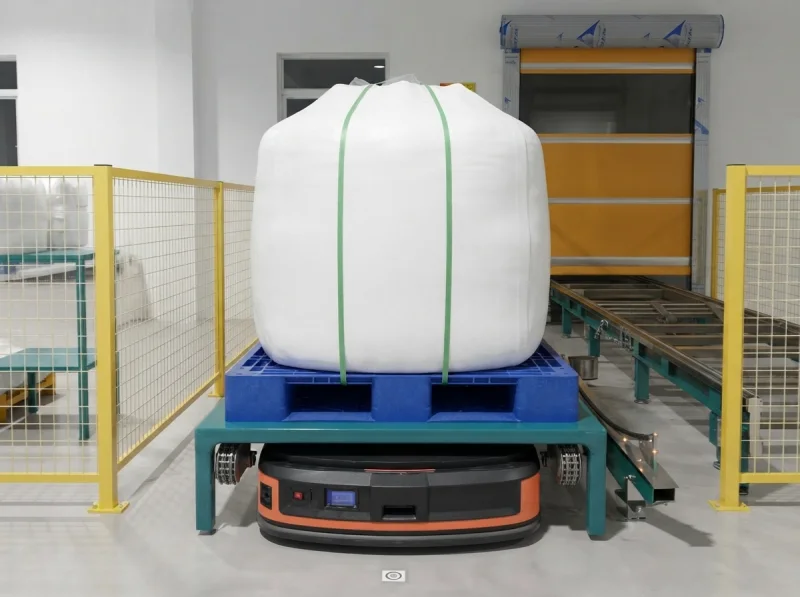
Custom 5‑stop reciprocating lift for Yongzheng Lithium: 16m ultra‑high travel, 5 levels, C‑shaped access, 1250kg capacity, 60m/min speed. Full 304 stainless steel car + conveyor chains, all carbon steel parts powder‑coated – complete copper‑free & zinc‑free protection. SEW drive + Siemens PLC, AGV interface reserved for fully automatic unmanned material flow. 45‑day rapid delivery. Read the cathode material workshop vertical conveying solution.

AGV Ready Lift Platform for Air Treatment Leader
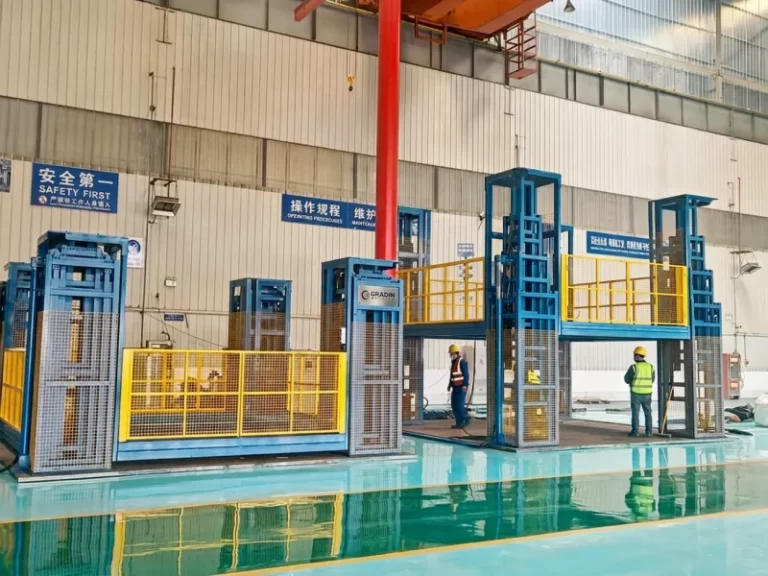
Custom ultra‑high guide rail lift for a global industrial air treatment leader: 5‑ton capacity, 17.1m travel, 4‑cylinder 8‑column tower‑grade structure for wobble‑free operation at extreme height. Siemens PLC with pre‑integrated AGV interface enables fully automatic material flow across three floors. Hard rapid door interlock ensures safety and efficiency. Ideal for heavy‑load cross‑floor automated logistics.

Precision Lifting Platform for Hydrogen Electrolyzer Stacking
Custom 4‑column heavy‑duty precision lifting platform for Huadian Caofeidian – designed for AWE/PEM electrolyzer plate stacking. 3‑ton capacity, 6500mm stroke, retracts to ≤3000mm, 0‑3 m/min infinitely variable speed control. Rexroth hydraulics + Atos valves, 4‑column synchronization for high precision. 1600mm guarding, door interlock, dual‑mode control – ensuring safety and accuracy in electrolyzer assembly.

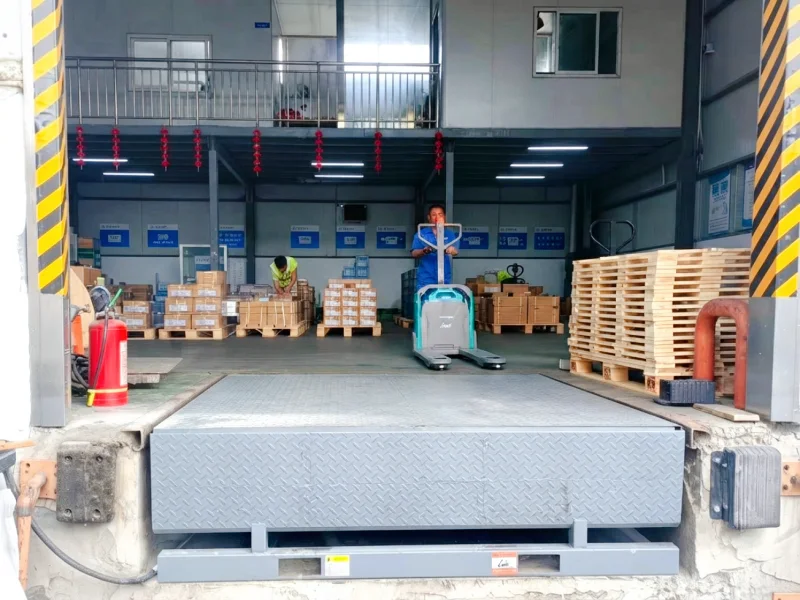
10 Ton Fixed Hydraulic Dock Leveler 3x Efficiency Gain for Bearing Warehouse
Fixed hydraulic dock leveler installed at a bearing group‘s central warehouse. 10‑ton rated load, high‑strength manganese steel frame, non‑slip chequer plate deck, ±300mm hydraulic travel range – adapts to all standard container trucks. Enables forklifts to drive directly into trailers for bulk loading/unloading. Cycle time reduced from 2 hours to 40 minutes – a 3‑fold efficiency gain. Lowers labour costs and minimises product damage.

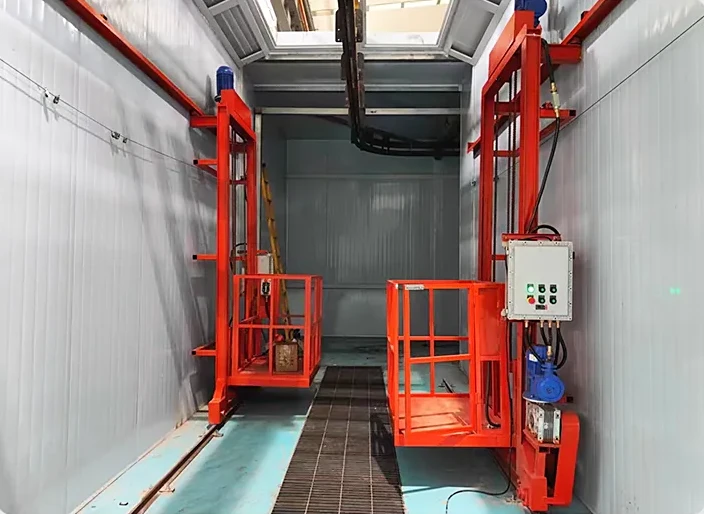
3D Explosion Proof Lift Platform for Spray Booths
Gradin‘s 3D explosion-proof guide rail lift platform is engineered for spray booths and hazardous environments, featuring full-system Ex db IIC T4 Gb certification. The platform delivers 3-axis motion – lateral rail travel, longitudinal telescopic extension, and vertical lifting – with 300kg capacity and 6 m/min lifting speed. Ideal for automotive, heavy machinery, and aerospace painting applications, it ensures consistent coating quality and significantly reduces rework.

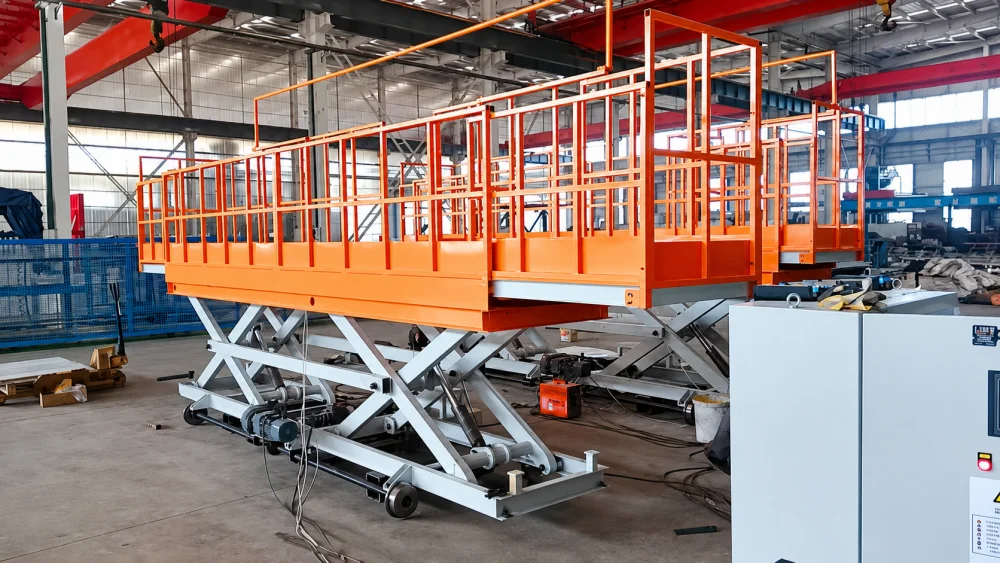
Heavy-Duty Mobile Assembly Platform for Mining Machinery
Custom mobile assembly platform for XCMG mining excavator production. 500kg capacity scissor lift with 8m rail travel and 5-7m telescopic deck. Siemens PLC controlled with multiple safety redundancies. Ideal for large structural assembly and heavy equipment manufacturing. Read the case study.

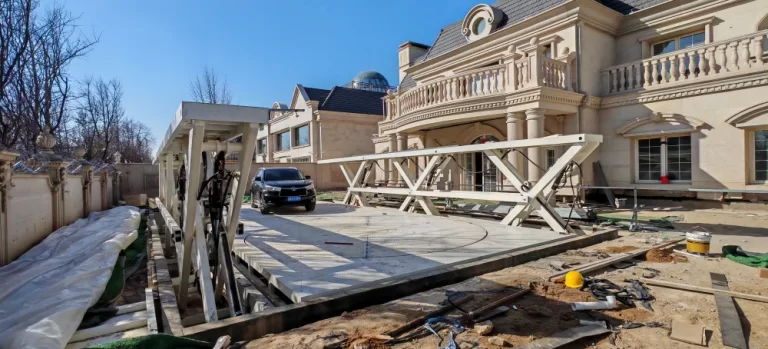
Vehicle Storage System for Luxury Residence
Custom vehicle storage lift for luxury villas, enabling seamless vehicle transfer between ground and underground levels. 13.8m×6m platform, 10‑ton capacity, ±5mm synchronisation accuracy, dual rotating turntables (Ø5.5m each), matte white finish, Siemens PLC + Schneider controls, wireless remote operation. Ideal for secure and space‑efficient storage of large luxury vehicles.

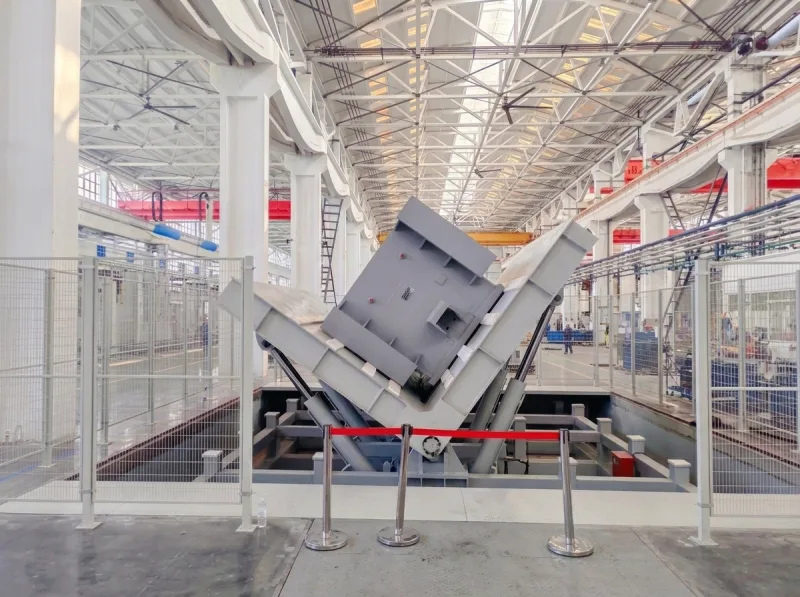
50 Ton Hydraulic Tilter for Machine Tool Industry

RESOURCE CENTER > CASE STUDIES 50-Ton Hydraulic Tilter for Machine Tool Industry  RELATED MEDIA SHARE POSTED: 6/15/2026 Industry Background As heavy machinery, machine tool, and industrial equipment manufacturers continue to produce larger and more complex components, the safe handling and rotation of oversized workpieces has become an increasingly important challenge. In many production processes, including…
LIFT CAPACITY

PLATFORM LENGTH

1 – 3 m

PLATFORM WIDTH

≤ 1 m

TRAVEL DISTANCE

> 11 m