
 RU
RU  EN
EN  ES
ES  PT
PT  FR
FR  KO
KO Как часто следует проверять ножничные подъемники
Главная > Ножничный подъемник > How often should scissor lifts be inspected
FAQ
Теги
4 поста (1) Артикуляционная лестница (1) Автоматизированный (2) Автоматизация (1) Электрический аккумулятор (2) Стреловой подъемник (4) Компактный дизайн (1) Дизельное топливо (1) Двойная цепь (1) Долговечность (2) Простота в использовании (1) Эффективное приведение в действие (1) Взрывозащищенные (1) Быстрая установка (1) Исправлено (3) Направляющая шина (3) Сверхмощный (3) Высокопрочный (4) Гидравлика (20) Гидравлическое открытие диафрагмы (1) Промышленные лифты (1) осмотреть (2) Логистическое оборудование (1) Логистические решения (1) Удобство в обслуживании (1) MEZZANINE (1) Мобильный (1) Модульная конструкция (2) Открытый подъемник (1) Решения для производственных линий (1) Жесткая цепь (1) Роликовые цепи (2) Безопасность (5) ножничный подъёмник (9) Самоходный (3) Полуавтомат (1) Маленький (3) Нержавеющая (1) Установка на гусеничном ходу (1) Гусеничный (1) Вертикальный подъемник (1) Вертикальный транспорт (1) VRC (1) Складские решения (2) Устойчивость к погодным условиям (1)
Как часто необходимо осматривать ножничные подъемники?
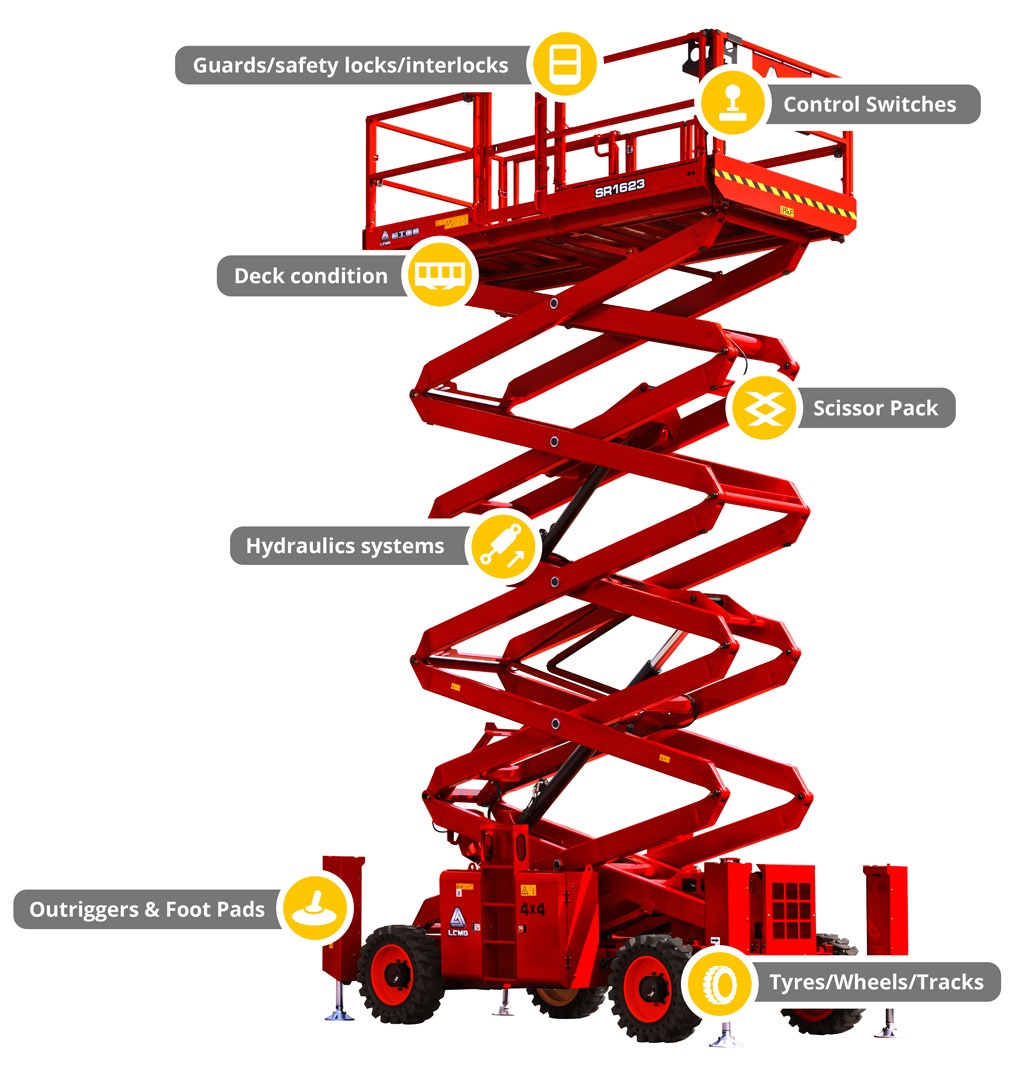
Scissor lifts are essential tools in various industries, providing safe access to elevated work areas. However, to ensure their continued safety and functionality, regular inspections are crucial. But how often should these inspections occur?
Daily Inspections
Most manufacturers recommend that scissor lifts undergo a daily inspection before use. This pre-use check typically involves examining the lift’s overall condition, including:
- Hydraulic Systems: Check for leaks and proper fluid levels.
- Особенности безопасности: Ensure that guardrails, emergency stops, and safety alarms are functional.
- Tires and Brakes: Inspect for wear and proper inflation.
- Контролирует: Test all controls to ensure they operate smoothly.
Conducting these daily checks helps identify potential issues before they lead to accidents.
Monthly Inspections
In addition to daily checks, a more thorough inspection should be performed monthly. This inspection might include:
- Structural Integrity: Look for signs of wear, corrosion, or damage.
- Electrical Systems: Inspect wiring and connections for signs of wear or damage.
- Battery Maintenance: Check battery levels and terminals for corrosion.
Monthly inspections help ensure that the lift remains in safe working order and can aid in extending the equipment’s lifespan.
Annual Inspections
Beyond daily and monthly checks, comprehensive annual inspections by a qualified technician are essential. These inspections often include:
- Load Testing: Verifying the lift can handle its rated capacity.
- Detailed Safety Checks: Involving a thorough examination of all systems, components, and safety features.
- Compliance Verification: Ensuring the lift meets all relevant safety regulations and standards.
Annual inspections are vital for maintaining compliance with OSHA and other safety regulations, ensuring both operator safety and legal adherence.
Заключение
In summary, scissor lifts should undergo daily inspections before each use, monthly inspections for a more in-depth review, and annual inspections conducted by qualified professionals. Regular maintenance and inspections not only ensure the safety of operators but also prolong the life of the equipment. By adhering to these guidelines, businesses can minimize risks and maintain a safe working environment.
Самые рейтинговые продукты
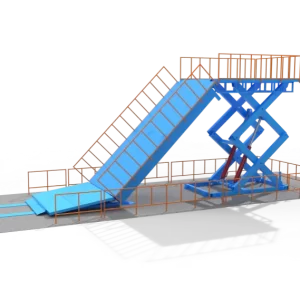
Погрузочная рампа с ножничным подъемником
ПОДРОБНЕЕ 2 - 3 тонны
 30˚ - 45˚
Дизельный ножничный подъемник G-GTJZ16RT 16 метров
ПОДРОБНЕЕ ≤ 1 тонна > 11 m-
G-GTJZ13RT 13-метровый дизельный ножничный подъемник
ПОДРОБНЕЕ ≤ 1 тонна > 11 m -
Дизельный ножничный подъемник G-GTJZ10RT 10 метров
ПОДРОБНЕЕ ≤ 1 тонна 9 - 11 m 
Гусеничный ножничный подъемник CFPT1214LD 10 м
ПОДРОБНЕЕ ≤ 1 тонна 9 - 11 m
Свяжитесь с нашими специалистами или запросите цену прямо сейчас.