 PT
PT  EN
EN  ES
ES  FR
FR  RU
RU  KO
KO Como usar um elevador tipo tesoura com segurança
Início > Elevador tipo tesoura > Como usar um elevador tipo tesoura com segurança
FAQ
Tags
4 Posts (1) Escada Articulada (1) Automatizado (2) Automação (1) Bateria elétrica (2) Elevador de lança (4) Design compacto (1) Diesel (1) Corrente dupla (1) Durabilidade (2) Fácil de usar (1) Atuação eficiente (1) À prova de explosão (1) Instalação rápida (1) Fixo (3) Trilho-guia (3) Serviço pesado (3) Alta resistência (4) Hidráulico (20) Abertura hidráulica da íris (1) Elevadores industriais (1) inspecionar (2) Equipamentos de logística (1) Soluções de logística (1) Manutenção amigável (1) MEZZANINE (1) Celular (1) Projeto modular (2) Elevador externo (1) Soluções para linhas de produção (1) Corrente rígida (1) Correntes de rolos (2) Segurança (5) elevador tipo tesoura (9) Autopropelido (3) Semi-automático (1) Pequeno (3) Inoxidável (1) Montado sobre trilhos (1) Rastreado (1) Elevação vertical (1) Transporte vertical (1) VRC (1) Soluções de armazém (2) Resistência às intempéries (1)
Como usar um elevador tipo tesoura com segurança
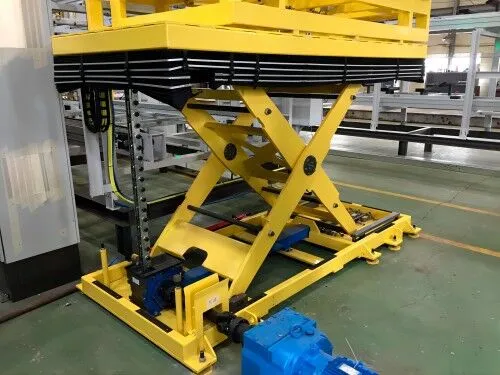
Usar um elevador tipo tesoura com segurança é essencial para evitar acidentes e garantir um ambiente de trabalho seguro. Aqui estão as principais diretrizes a serem seguidas:
1. Verificações pré-operacionais
- Inspecionar o equipamento: Antes de usar, faça uma inspeção completa antes da operação. Verifique se há:
- Vazamentos hidráulicos
- Recursos de segurança funcionais (grades de proteção, parada de emergência)
- Condição e calibragem dos pneus
- Níveis de carga da bateria
- Leia o manual: Familiarize-se com o manual do operador específico do modelo do elevador.
2. Avaliação do local
- Verificar a área de trabalho: Certifique-se de que o solo esteja estável e nivelado. Evite usar o elevador em declives ou superfícies irregulares.
- Eliminar obstáculos: Remova todos os perigos, como detritos ou obstruções suspensas, da área de trabalho.
3. Configuração adequada
- Posicionamento: Coloque o elevador em uma superfície plana e certifique-se de que os estabilizadores (se equipados) estejam acionados.
- Proteger a área: Use cones ou barreiras para manter o pessoal não autorizado longe da área de operação do elevador.
4. Usando o elevador
- Siga os limites de peso: Não exceda a capacidade de carga nominal do elevador, incluindo o peso do pessoal e das ferramentas.
- Use equipamentos de segurança: Sempre use equipamento de proteção individual (EPI) adequado, como capacete e arnês, se necessário.
- Ferramentas e materiais seguros: Use cintos de ferramentas ou cordões para prender as ferramentas e evitar que elas caiam.
5. Durante a operação
- Manter a estabilidade: Mantenha seu corpo dentro das grades de proteção o tempo todo. Evite inclinar-se sobre a borda.
- Use os controles adequadamente: Opere o elevador de acordo com as diretrizes do fabricante. Evite movimentos bruscos.
- Comunique-se: Se estiver trabalhando com uma equipe, estabeleça sinais claros de comunicação para coordenar os movimentos.
6. Procedimentos pós-operatórios
- Abaixe o elevador: Após o uso, abaixe o elevador completamente e desligue a energia.
- Proteger a área: Certifique-se de que o elevador esteja estacionado com segurança e protegido quando não estiver em uso.
Conclusão
Ao seguir essas diretrizes de segurança, os operadores podem minimizar efetivamente os riscos associados ao uso de elevadores tipo tesoura. O treinamento regular e a adesão aos protocolos de segurança são essenciais para manter um ambiente de trabalho seguro.
Produtos mais bem avaliados
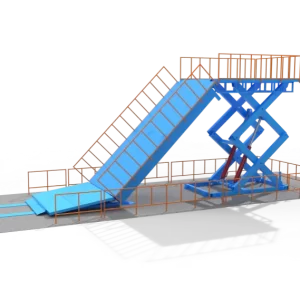
Rampa de carregamento com elevador tipo tesoura
LEIA MAIS 2 - 3 toneladas
 30˚ - 45˚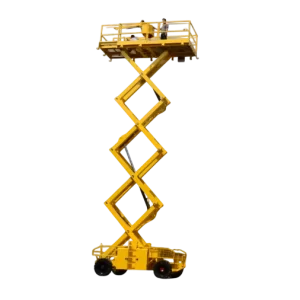
G-GTJZ16RT Elevador tipo tesoura a diesel de 16 metros
LEIA MAIS ≤ 1 tonelada > 11 m-
G-GTJZ13RT Elevador tipo tesoura a diesel de 13 metros
LEIA MAIS ≤ 1 tonelada > 11 m -
G-GTJZ10RT Elevador tipo tesoura a diesel de 10 metros
LEIA MAIS ≤ 1 tonelada 9 - 11 m 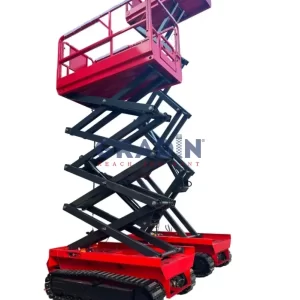
CFPT1214LD Elevador tipo tesoura com esteiras de 10 m
LEIA MAIS ≤ 1 tonelada 9 - 11 m
Entre em contato com nossos especialistas ou solicite uma cotação agora.